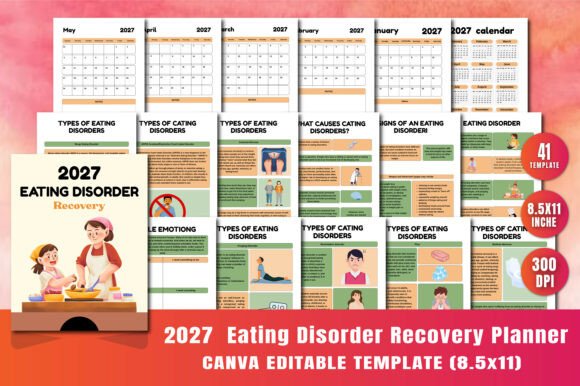
2027 Eating Disorder Recovery: A New Era of Healing and Awareness
The landscape of mental health is evolving, and with it, the conversation around eating disorders is becoming more nuanced, inclusive, and actionable. As we approach 2027, the focus on eating disorder recovery has shifted from a narrow clinical perspective to a broader, more holistic understanding of wellness. This change reflects a growing recognition that recovery is not just about overcoming symptoms but about rebuilding a relationship with food, body, and self. The 2027 Eating Disorder Recovery Planner is a tool designed to support this journey, offering structure, insight, and personalization for those navigating their path to healing.
Why 2027 Eating Disorder Recovery Matters
Eating disorders are complex conditions that affect millions of people worldwide. They are not simply about food or weight; they often stem from deep emotional, psychological, and environmental factors. In recent years, there has been a significant increase in public awareness and open dialogue about these issues. This shift is driven by several factors, including greater access to mental health resources, the rise of digital communities, and a cultural movement toward self-compassion and body positivity.
As we move into 2027, the relevance of eating disorder recovery is more pronounced than ever. With the continued integration of mental health into everyday life, individuals are seeking tools that support long-term well-being. The 2027 Eating Disorder Recovery Planner aligns with this need, providing a structured yet flexible framework for tracking progress, managing emotions, and developing healthier habits.
Trends Shaping the Future of Eating Disorder Recovery
Several trends are influencing how people approach eating disorder recovery in 2027. One of the most notable is the emphasis on personalized care. Traditional one-size-fits-all approaches are being replaced by more tailored strategies that consider individual needs, preferences, and goals. This shift is reflected in the design of the 2027 Eating Disorder Recovery Planner, which allows users to customize content, layouts, and visual elements to suit their unique journey.
Another trend is the increasing use of technology in mental health support. From mobile apps to online therapy platforms, digital tools are playing a key role in helping individuals manage their recovery. While the 2027 Eating Disorder Recovery Planner is a physical or print-ready document, its design accommodates both digital and traditional usage, making it adaptable to modern lifestyles.
Additionally, the growing demand for mindfulness and self-awareness practices has influenced the way people engage with recovery. Many are turning to journaling, meditation, and other reflective activities as part of their healing process. The planner includes sections dedicated to tracking emotions, hunger levels, and daily experiences, encouraging users to develop a deeper connection with their bodies and minds.
Practical Implications for Users and Professionals
The 2027 Eating Disorder Recovery Planner is not just a personal tool—it also holds value for professionals working in mental health, nutrition, and wellness. For therapists, it can serve as a supplementary resource to help clients set goals, monitor progress, and reflect on their experiences. For nutritionists and dietitians, it offers a structured way to track meal planning, food choices, and emotional triggers.
For individuals in recovery, the planner provides a sense of control and clarity. It helps break down the often overwhelming process of recovery into manageable steps, making it easier to stay focused and motivated. By incorporating elements like monthly planners, weekly meal plans, and mood tracking, the planner supports a balanced and sustainable approach to healing.
How the Planner Supports Long-Term Recovery
Recovery from an eating disorder is not a linear process. It involves ups and downs, setbacks, and moments of growth. The 2027 Eating Disorder Recovery Planner acknowledges this complexity by offering a range of features that encourage reflection, accountability, and adaptability.
One of the key components of the planner is the “Tackling Emotions” section, which guides users through identifying and processing difficult feelings. This is particularly important because emotional triggers often play a central role in disordered eating behaviors. By creating space for emotional exploration, the planner helps users build resilience and healthier coping mechanisms.
Another valuable feature is the “Hunger Scale” and “Food Log,” which promote a more intuitive approach to eating. These tools help users differentiate between physical hunger and emotional cravings, fostering a more mindful relationship with food. Over time, this can lead to greater self-awareness and a stronger sense of control over eating habits.
Customization and Flexibility for Diverse Needs
One of the standout features of the 2027 Eating Disorder Recovery Planner is its customization options. Whether you’re a professional looking to create a branded product or an individual seeking a personal recovery tool, the planner offers a high degree of flexibility. The editable Canva template, print-ready PDF, and high-resolution image files allow for seamless integration into various workflows and projects.
This level of customization is especially beneficial for creators and entrepreneurs who want to offer unique, tailored products to their audiences. By adjusting colors, fonts, and layouts, users can ensure that the planner aligns with their brand identity while maintaining its functional integrity. For casual users, the ability to personalize the content makes the planner more engaging and relevant to their specific situation.
Meeting the Needs of Modern Users
The 2027 Eating Disorder Recovery Planner is designed with the modern user in mind. It addresses the changing expectations of today’s readers, who seek practical, easy-to-use tools that fit into their busy lives. The planner’s layout is clean, organized, and visually appealing, making it accessible for people of all skill levels.
Its versatility also makes it suitable for a wide range of applications. Whether used as a personal journal, a therapeutic aid, or a creative project, the planner adapts to different needs without losing its core purpose. This flexibility ensures that it remains a valuable resource for anyone involved in the recovery process.
Looking Ahead: The Future of Eating Disorder Recovery
As we look toward 2027, the future of eating disorder recovery appears increasingly collaborative and innovative. The integration of technology, the expansion of mental health services, and the growing emphasis on self-care are all shaping a more supportive environment for those in recovery. The 2027 Eating Disorder Recovery Planner is a reflection of this evolution, offering a practical, customizable, and forward-thinking solution for individuals and professionals alike.
Ultimately, the success of any recovery journey depends on a combination of self-awareness, support, and the right tools. The 2027 Eating Disorder Recovery Planner provides a foundation for this journey, empowering users to take charge of their healing in a meaningful and sustainable way.